
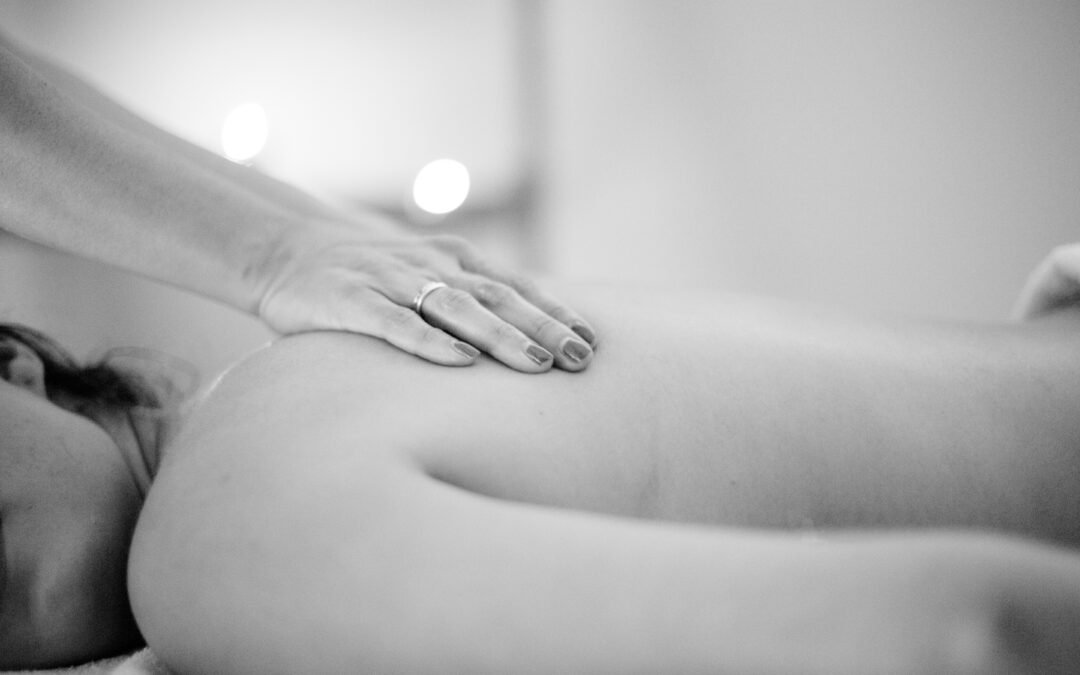
After a demanding day at work, the body often continues to carry the tension of everyday life. Long hours in front of a computer, prolonged standing, commuting, repetitive movements and daily stress can lead to feelings of tiredness, stiffness and tension, especially in areas such as the neck, shoulders, back and legs.
A massage after work can be an enjoyable way to relax and unwind following a busy day. Through appropriate massage techniques, it can help the muscles relax, reduce the feeling of everyday tension and promote an overall sense of comfort and well-being.
Choosing the right type of massage depends on your lifestyle, the type of work you do and your individual needs. Some people prefer a gentle relaxation massage, while others look for more focused techniques for areas that feel particularly tired or tense.
Below, we explore why the body can feel tired after work, which areas tend to accumulate the most tension and how massage can become part of a calmer and more balanced relaxation routine.
Why Does the Body Feel Tense After a Demanding Day?
Daily work can affect the body in different ways depending on a person’s profession and routine. Sitting for long periods, working in front of a computer, standing for many hours or performing repetitive movements can keep certain muscle groups under strain throughout the day.
For people who work at a desk, the neck, shoulders and back are among the areas where tension is most commonly felt. Maintaining the same position for extended periods and moving less throughout the day may contribute to feelings of stiffness and fatigue. In jobs that require prolonged standing, tiredness may instead be felt more strongly in the lower back and legs.
Everyday stress can also play an important role. During stressful periods, many people unconsciously tighten their shoulders, neck or jaw, which can make the feeling of tension more noticeable by the end of the working day.
For this reason, relaxing after work is not only about giving the mind a break. The body also needs time to unwind, move more freely and gradually release the tension accumulated during the day.
How Can Massage After Work Help You Relax?
A massage after work can provide a natural way to unwind from the tension accumulated throughout the day. Depending on individual preferences and needs, gentle or more focused massage techniques can help the muscles relax and encourage the body to move into a calmer state.
This can be particularly beneficial after long hours of sitting, standing or following a demanding daily routine. Massage can focus on areas that feel especially tired or tense, with the neck, shoulders, back and legs often being among the most common areas of attention.
A massage session also creates dedicated time away from the demands of everyday life. A calm environment combined with rhythmic massage movements can contribute to a greater feeling of relaxation and well-being, making the transition from a busy working day to a quieter evening more enjoyable.
For this reason, massage for relaxation can become part of a balanced self-care routine, particularly for people who feel that work-related tension remains in their body even after the working day has finished.
Which Areas of the Body Are Most Affected by Work?
The effects of a working day are not the same for everyone. Depending on whether someone spends many hours sitting, standing or performing repetitive movements, different areas of the body may feel more tired or tense.
Neck and shoulders: Long hours using a computer or mobile phone, together with poor posture, can make the neck and shoulders feel particularly tight by the end of the day.
Back and lower back: Prolonged sitting or standing can contribute to feelings of fatigue in the back and lower back, especially when there are few opportunities to change position or take short movement breaks.
Legs: People who spend much of their working day standing or walking may experience a greater sense of heaviness and tiredness in their legs.
Hands and wrists: Jobs involving frequent typing, tools or repetitive hand movements can also leave the hands and wrists feeling tired.
A massage adapted to individual needs can focus on the areas that have experienced the greatest strain, creating a session that better reflects a person’s working routine and how their body feels that day.
What Type of Massage Is Suitable After Work?
The most suitable type of massage after work depends on how the body has been affected during the day and the level of tension each person feels. There is no single option that suits everyone, which is why the session should be adapted to individual preferences and needs.
A relaxation massage is one of the most popular choices after a demanding day. Gentle and rhythmic movements can help the body slow down, relax and leave behind some of the tension of the daily routine.
People who feel greater muscular fatigue or prefer stronger techniques may consider options such as Thai Massage or other more focused forms of massage. Lomi Lomi Massage, on the other hand, can appeal to those looking for a more holistic relaxation experience characterised by continuous, flowing movements.
When daily life also includes regular exercise or increased physical activity, a sports massage may be another suitable option, as it places greater emphasis on areas that have experienced physical strain.
The best approach is to choose the type of massage according to how your body feels at that particular time. On some days the priority may be overall relaxation, while on others you may prefer more attention on specific areas such as the neck, back or legs.
Massage After Desk Work and Long Hours at a Computer
Prolonged desk work is one of the most common reasons people experience tension at the end of the day. Remaining in the same position for many hours, particularly in front of a computer, can place greater strain on the neck, shoulders and back, while limited movement may contribute to feelings of stiffness and fatigue.
Massage can help the body relax after a long period of sedentary work by focusing more closely on the areas that feel most tired. Appropriate massage techniques can help ease the feeling of muscular tension and create a greater sense of comfort after the working day.
Particular attention is often given to the neck, shoulders and back, as these areas can be affected by posture, keyboard use and extended screen time. A massage adapted to the individual’s needs can offer a welcome break from a largely static daily routine and contribute to an overall feeling of relaxation.
At the same time, short breaks during the working day, gentle stretching and regularly changing position can complement a relaxation routine and help prevent the body from remaining in the same posture for several consecutive hours.
When Is the Best Time to Have a Massage After Work?
There is no specific time that is ideal for everyone. The best time for a massage depends on your daily schedule, the type of work you do and how physically or mentally tired you feel at the end of the day.
For many people, the late afternoon or evening after work is a convenient choice because there is less need to immediately return to demanding activities. This allows more time to relax and can make the massage feel like a natural way to close a busy day.
If you have spent many hours sitting, standing or constantly moving, a post-work massage can focus on the areas that feel most tired, such as the neck, shoulders, back or legs. On particularly stressful days, a gentler relaxation-focused session may also help create a smoother transition from the fast pace of work to a calmer evening.
For those who want to relax after work without having to travel again, Lotus Relax offers massage at home, allowing the session to take place in the comfort of your own space. You can choose the type of massage that best suits your needs and continue relaxing immediately after your session.
Frequently Asked Questions
What is the best massage after a tiring day at work?
The best option depends on the type of fatigue you are experiencing and what your body needs. A relaxation massage may be suitable for general unwinding, while a more focused massage technique may be preferred when certain areas feel particularly tense.
Can massage help with tension from desk work?
Massage can help relax muscles that feel tense after prolonged sitting, particularly around the neck, shoulders and back. Regular movement, short breaks and changes in posture throughout the working day can also be useful alongside massage.
How often can I have a massage?
The ideal frequency depends on the type of massage, your daily routine, physical activity and personal preferences. Some people choose occasional sessions when they feel particularly tired, while others include massage more regularly as part of their relaxation routine.
Is it better to have a massage before or after work?
There is no single answer that applies to everyone. However, having a massage after work can be particularly convenient for people who want to unwind from the day’s tension and transition into a more relaxed evening.
What type of massage is suitable for the neck and back?
The most appropriate technique depends on the level of tension and individual preferences. Relaxation massage or more focused massage techniques can concentrate on areas such as the neck, shoulders and back with the aim of promoting muscular relaxation and a greater feeling of comfort.